

Sunday May 31, 2026
www.thenewsdesk.ng
By Ubon MARCUS
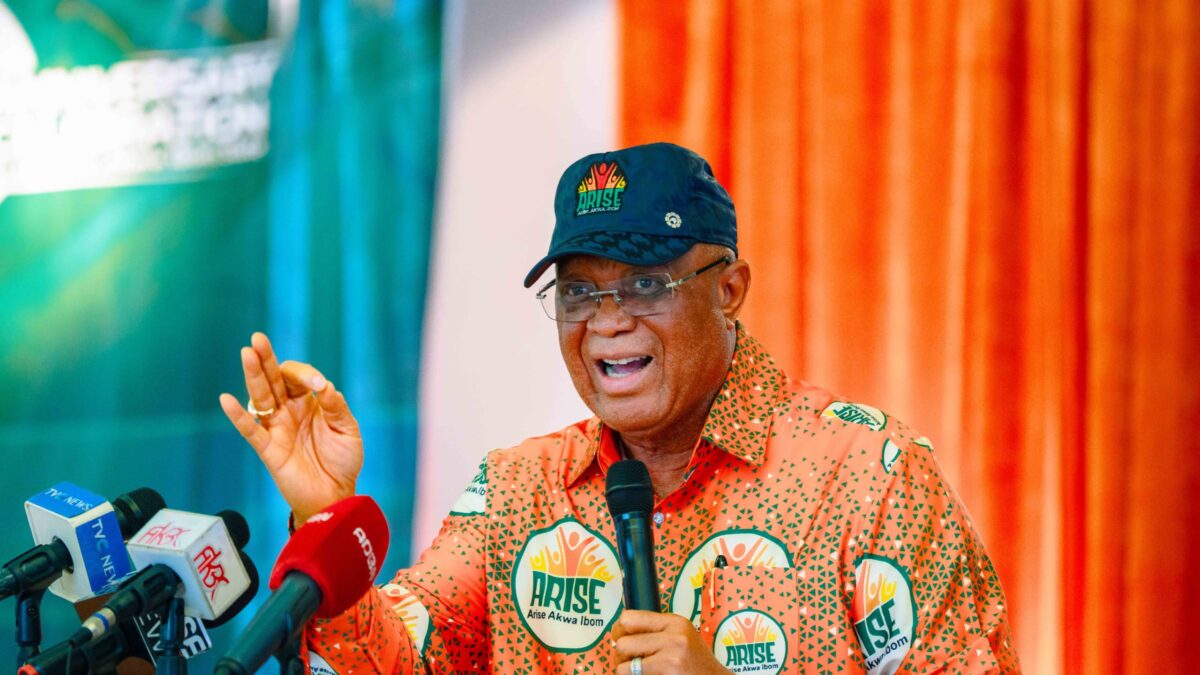
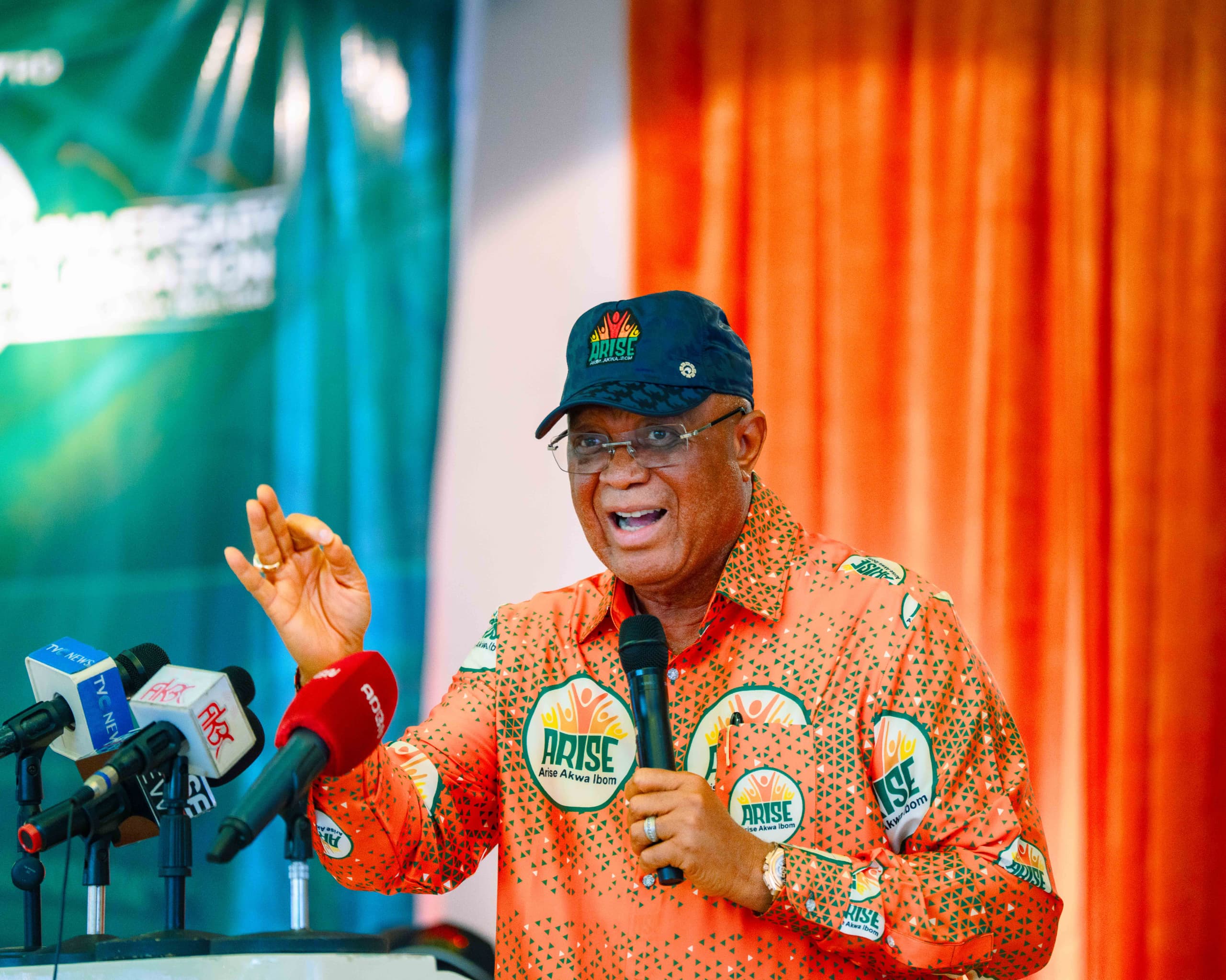
The Akwa Ibom State Government has intensified efforts on power sector reforms aimed at achieving a stable and sustainable electricity supply in the state, as well as a viable electricity market, says Gov. Umo Eno.
The State Chief Executive stated this on Saturday, 30th May 2026, during the Akwa Ibom State Government’s Third Anniversary Media Briefing held at the Banquet Hall, Government House, Uyo, where he outlined the administration’s roadmap for power sector reforms aimed at improving electricity access across the state.
He said Akwa Ibom had completed the regulatory transition framework required under the Electricity Act, including stakeholder consultations, and had established the Akwa Ibom State Electricity Regulatory Commission, AKSERC.
The next phase of the power sector reforms according to Gov. Eno, is the formal inauguration of the commission, whose members have already been confirmed by the Akwa Ibom State House of Assembly.
“The first step was to establish the regulatory transition framework required under the Electricity Act. We developed a transition plan and conducted the necessary stakeholder consultations. After that, we registered the Akwa Ibom State Electricity Regulatory Commission,” he said, adding that the commissioners would be sworn-in by June and would immediately begin work from their new offices at Dakkada Towers.
The Governor explained that one of the commission’s primary responsibilities would be the identification, valuation and documentation of electricity assets across the state as part of preparations for the creation of a state-owned electricity company.
“Every transformer within the state, including those purchased and installed by communities, estates and private developments, is subject to regulation under the law. That is why we must first identify and document all electricity assets within Akwa Ibom State,” he said, revealing that the state had concluded extensive negotiations to secure its interests in existing electricity arrangements, noting that the agreements would enable Akwa Ibom to participate fully in decisions affecting its electricity future while laying the foundation for a viable state electricity market.
Gov. Eno further disclosed that consultants and technical experts had been engaged to conduct a comprehensive audit of electricity assets in the state to ensure an orderly transition into the new electricity framework.
On the Ibom Power Company, IPC, the governor said his administration inherited significant financial obligations, including a judgement debt exceeding nine million dollars and outstanding liabilities to Savannah Energy for gas supplied to the power plant.
“When I came into office, I met substantial obligations tied to Ibom Power Company. At one point, there was a judgement debt of over nine million dollars hanging over the company, with the possibility of enforcement proceedings abroad,” he said, explaining that government intervention and negotiations were necessary to avert operational disruptions and sustain electricity generation.
As part of broader reforms, Gov. Eno announced plans to establish a state electricity distribution company through concession and partnership arrangements rather than direct government management.
“Government will not attempt to run the company directly. Instead, we are looking at concession and partnership models that will allow competent operators to manage distribution efficiently, while government focuses on regulation and oversight,” he said.
The Governor also unveiled plans to extend electricity access to underserved communities through renewable energy solutions, noting that the state was developing a programme to provide solar power systems to approximately 50,000 households, particularly in rural areas where conventional grid connections may not be feasible.
“Government intends to subsidise the initiative so that beneficiaries will only pay affordable amounts. This programme will bring electricity to homes that might otherwise wait many years for grid connections,” he added.
While many of the reforms may not be immediately visible to residents as noted by Gov. Eno, they involve critical institutional, financial, and regulatory measures necessary to guarantee long-term electricity stability and energy security in Akwa Ibom State, he explained.
