

Sunday February 22, 2026
www.thenewsdesk.ng
By Idorenyin UMOREN, Investigator/Security Evaluator
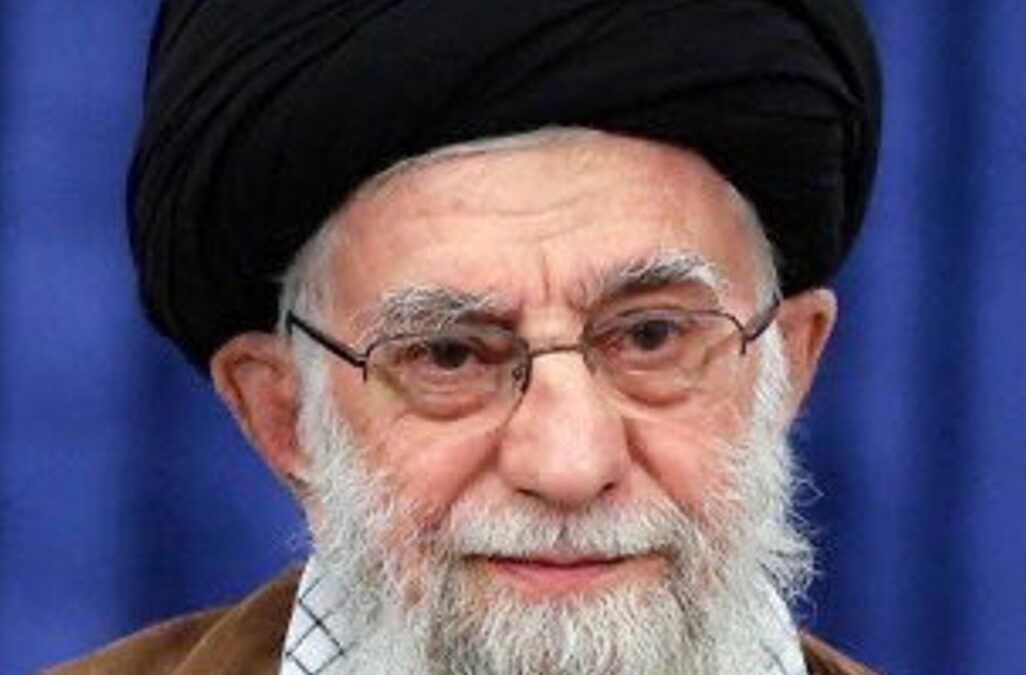
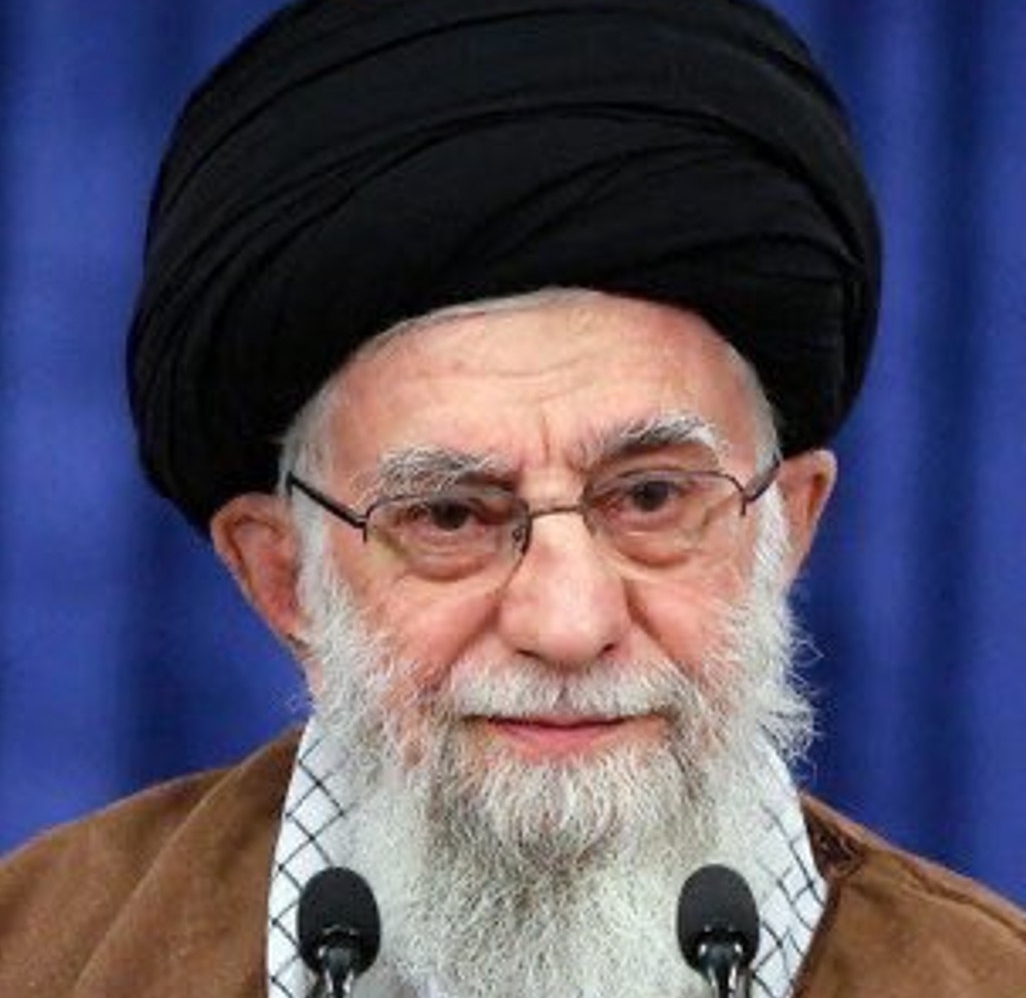
The Iranian Supreme Leader Ayatollah Ali Khamenei has reportedly instructed senior associates on how to respond if he is killed in potential United States, US or Israeli strikes, outlining contingency measures that include layered succession plans and emergency chains of command, according to The New York Times.

The report, citing interviews with senior Iranian officials, members of the Revolutionary Guards and former diplomats, says Khamenei moved to secure continuity of leadership during a period of heightened tensions and domestic unrest.

At the height of nationwide protests last month and amid rising US threats of military action, Khamenei is said to have elevated longtime loyalist Ali Larijani, a former Revolutionary Guards commander and veteran politician to a central governing role. The move effectively placed Larijani at the helm of key state affairs.
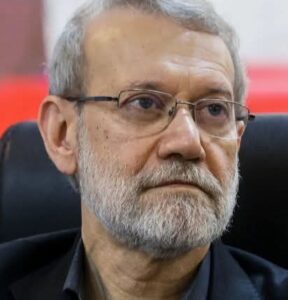
Since then, Larijani has reportedly overseen the government’s crackdown on protests, handled sensitive nuclear diplomacy with Washington, and coordinated closely with regional allies including Russia, Qatar and Oman. He is also said to be leading wartime planning as Iran braces for possible US military action.

While Larijani is not considered a likely successor to the supreme leader as he is not a senior Shiite cleric he is described in the report as one of Khamenei’s most trusted crisis managers.
According to The New York Times, Khamenei has named multiple layers of successors for key military and political positions and delegated decision-making authority to a tightly knit inner circle in the event communications are severed or he is assassinated.

Amid escalating tensions, Iran has reportedly placed its armed forces on high alert, deployed missile systems near Iraq and along the Persian Gulf, and conducted military drills in preparation for a potential conflict.
