Sunday April 26, 2026
www.thenewsdesk.ng
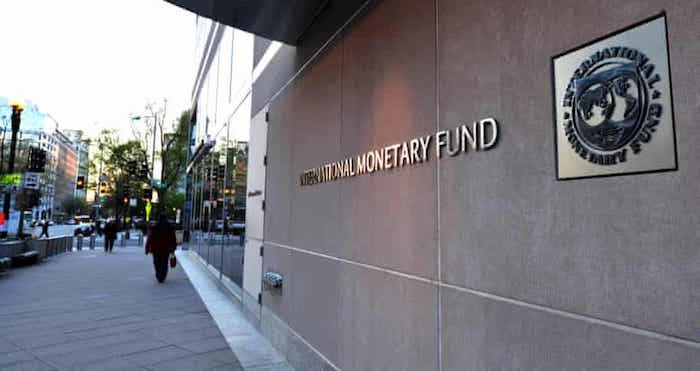
The International Monetary Fund (IMF) has warned that food insecurity could worsen sharply across Nigeria and other African countries in the wake of economic disruptions triggered by the Gulf War, casting a shadow over the region’s recent recovery gains.
This comes as the 2026 Global Report on Food Crises predicted that conflict, drought and shrinking aid would keep global hunger at critical levels this year, with food insecurity expected to worsen in some of the world’s most fragile countries.
In a blog post, the IMF’s Director of the African Department, Abebe Aemro Selassie, said Sub-Saharan Africa entered 2026 on a relatively strong footing, but was now facing mounting risks that could derail its fragile progress.
He noted that the region recorded its fastest growth in a decade in 2025, expanding by 4.5 per cent, supported by easing macroeconomic imbalances, improved investment flows, and a broadly favourable global backdrop.
Several economies, including Benin, Côte d’Ivoire, Ethiopia, and Rwanda, grew above six per cent, while inflation moderated to about 3.5 per cent and public debt levels began to edge lower, reflecting sustained reform efforts.
However, that momentum was now under threat, he stated: “A prolonged conflict could further inflate commodity prices, trigger a risk-off episode in global markets, and force abrupt fiscal adjustments in countries with large refinancing needs. In a severe downside scenario, as detailed in the IMF’s latest, regional output this year could fall 0.6 percent below pre-war forecasts, with oil importers suffering the most, and inflation could surge by an additional 2.4 percentage points.
“The human costs are equally stark. Food insecurity looms large: the region remains acutely vulnerable to food-price shocks, and the war has already driven up fertiliser and shipping costs.
“A 20 percent rise in international food prices could push more than 20 million people into food insecurity and leave 2 million children under age 5 acutely malnourished. Climate shocks intensify the strain the recent floods in Mozambique and Madagascar serve as a reminder of the region’s deep vulnerability to weather disruptions.”
The IMF official stressed that, beyond immediate policy responses, structural reforms remained critical to cushioning the shock and strengthening resilience over the medium term. Central to this, it stated, was the need to deepen intra-African trade and accelerate regional integration.
He added: “Even as policymakers grapple with the immediate shock, the medium-term reform agenda cannot wait. The premium on accelerating structural reforms—to boost growth and resilience—is now even higher. Improving the business climate, strengthening governance, and reforming state-owned enterprises, especially in energy, transport, and telecommunications, can help attract investment and lift productivity.
“Deepening regional integration through the African Continental Free Trade Area could bolster supply-chain resilience and expand markets for local producers.”
*ARISE News
IMF Warns Gulf War May Trigger Food Insecurity Surge In Africa