
Thursday March 19, 2026
www.thenewsdesk.ng
By Dennis UDOMA
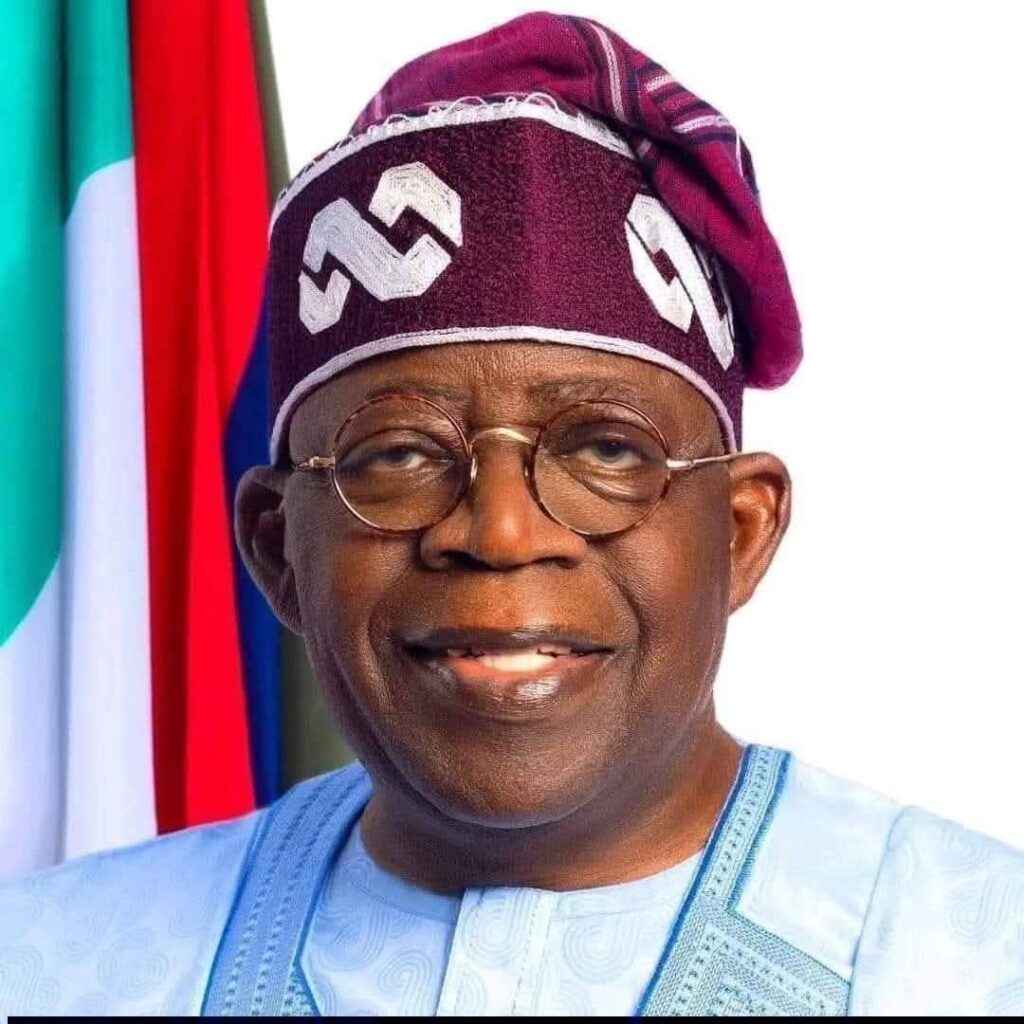
In a decisive move that is already sending ripples across Nigeria’s political landscape, President Bola Ahmed Tinubu has directed all political appointees with ambitions to contest in the 2027 general elections to resign from office on or before March 31, 2026.
The directive, conveyed through the Secretary to the Government of the Federation, George Akume, applies to a broad spectrum of government officials.
These include; Ministers and Ministers of State, Special Advisers and Assistants, Directors-General, Chief Executive Officers of government agencies, and all other presidential appointees.


The order effectively ends the long-standing practice where public office holders retain their positions while simultaneously pursuing elective offices.
The presidential directive is in compliance with the new Electoral Act, which political analysts say it aligns with provisions of the Electoral Act 2022, particularly Section 84(12), which mandates that political appointees must resign before participating in party primaries or seeking nomination for elective offices.
Although the controversial Section 84(12) was previously subjected to legal challenges and political debate, the spirit of the law continues to emphasize fairness, transparency, and a level playing field in Nigeria’s electoral process.
Legal experts argue that by setting a clear resignation deadline well ahead of party primaries, the presidency is reinforcing compliance and avoiding last-minute constitutional disputes that could disrupt the electoral calendar of the Independent National Electoral Commission (INEC).




The implications is that, the directive is expected to trigger a wave of resignations in the coming weeks as ambitious appointees weigh their political futures against their current positions.
Observers note that the move would
reduce the misuse of public office and state resources for campaign purposes,
promote internal party democracy during primaries, encourage early declaration of political intentions, reshape alliances and power blocs within major political parties.
However, it may also create temporary gaps in governance, as key officials exit their roles to pursue electoral ambitions.
However, mixed reactions to the directive have been swift and varied. While some stakeholders have praised the move as a bold step toward strengthening democratic norms, others view it as politically strategic, coming at a time when permutations for 2027 are already intensifying.
Civil society organisations have largely welcomed the decision, describing it as a necessary measure to curb incumbency advantage and ensure credibility in the electoral process.
On the other hand, some political figures have expressed concern over the short timeline, arguing that it could disrupt ongoing government programmes and force premature political declarations.
According to a political commentator, Mr. Okechukwu John, described it as the test of political discipline stating that, as the March 31 deadline approaches, attention will be on how strictly the directive is enforced and the level of compliance among top government officials.
He commended the move by President Tinubu as an attempt to instill discipline within the political class, while setting the tone for what could be a fiercely contested 2027 general election.
With the clock ticking, Nigeria’s political arena is bracing for a major shake-up, one that could redefine the balance between governance and political ambition in Africa’s largest democracy.
