
Tuesday December 2, 2025
www.thenewsdesk.ng
Akwa Ibom State has been ranked the cleanest state in Nigeria for 2025, topping the national cleanliness index with a cumulative score of 79 percent, according to the newly released State of the Nigerian Environment Report (STONE 2025 UNBROKEN).

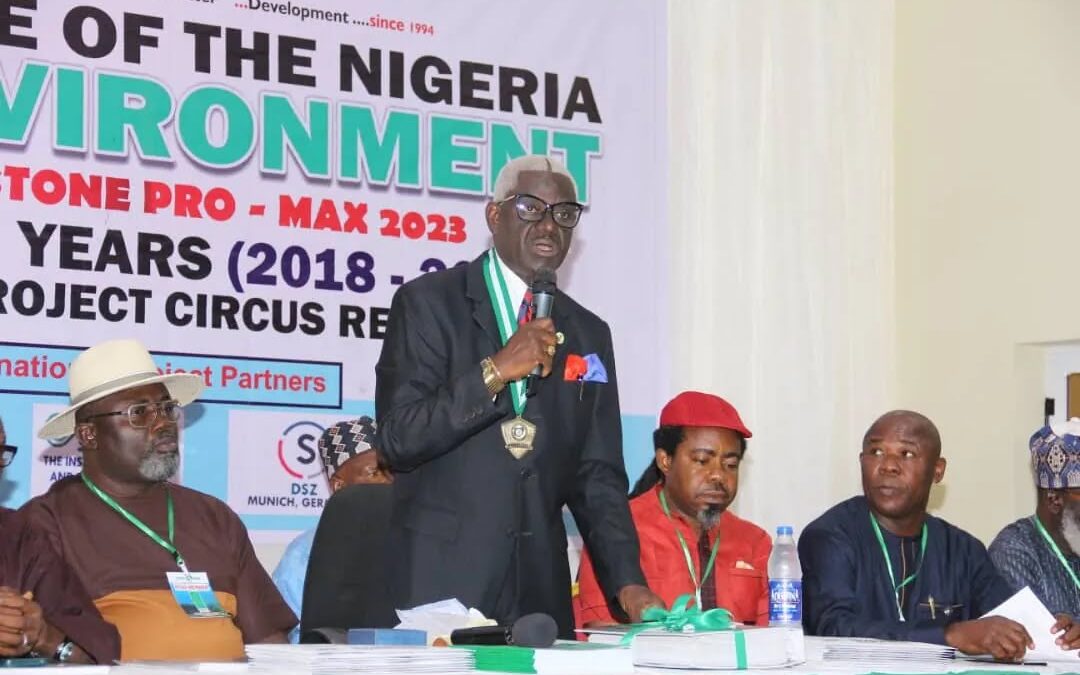
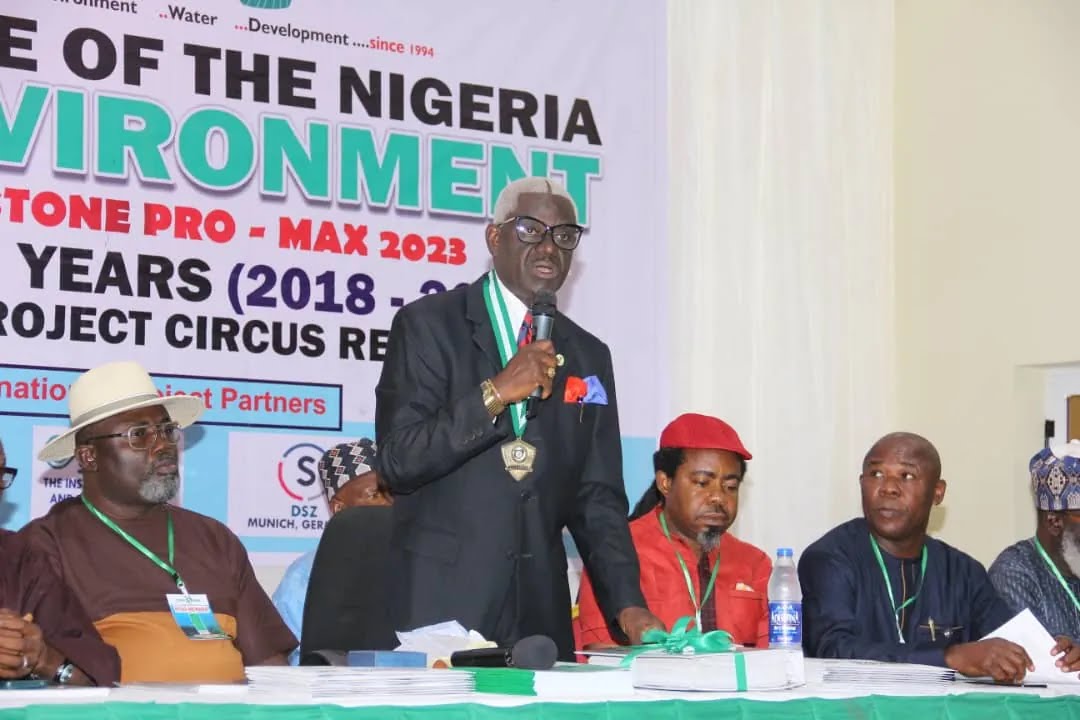
The report, presented in Abuja by the National Coordinator of Clean-Up Nigeria and Secretary of the National Technical Study Group (NTSG), Prince Ene Baba Owoh Jr., PhD, also named Kogi State as the dirtiest, with a score of 15 percent.
Nasarawa, Kwara, and Kebbi followed Kogi closely with 16 percent each, while Kano placed 33rd with 17 percent.
Enugu State (65%) and Ebonyi State (56%) ranked second and third, after Akwa Ibom, respectively. The report identified nine states as achieving clean status in 2025: Akwa Ibom, Enugu, Ebonyi, Bauchi, Plateau, Cross River, Anambra, Lagos, and the Federal Capital Territory (FCT).
Akwa Ibom also emerged the overall champion for the eighth consecutive year (2018–2025), earning the Stone 2025 Unbroken Green Crystal Award and a medal of service.
The 15-member NTSG, chaired by Professor Solomon Balogun, conducted the annual study between November 2024 and November 2025.
The evaluation adopted a hybrid methodology combining satellite imagery capturing spectral environmental data monthly (80%).

States were rated using five key variables which include street and road cleanliness, vegetation and drainage control, waste management services, public opinion poll (POP) and knowledge, attitude, and practice (KAP) of sanitation and hygiene.
The report highlights several troubling national trends such as sanitation workers’ health fell from 31 percent in 2024 to 28 percent in 2025, sanitation-related diseases surged from 29 percent in 2024 to 43 percent in 2025, hygiene and sanitation practices declined from 36 percent to 32 percent and open defecation reduced slightly from 24 percent to 19 percent but remains among the highest globally.
It added that 187.2 million Nigerians, out of an estimated 240 million, live in unclean environments, based on satellite imaging.
The report also warned that Nigeria’s life expectancy dropped from 50 years in 2024 to 47 years in 2025, underscoring the growing health implications of environmental neglect.

Prince Owoh urged governments at all levels to invest more in waste management equipment and infrastructure while encouraging citizens to adopt better hygiene practices.
He emphasised the need for more public toilet construction, environmental and health clubs in schools and stronger partnerships between government, private sector, and NGOs.
Commending First Lady Senator Oluremi Tinubu for her green initiative, Owoh urged the Tinubu administration to adopt a comprehensive green environmental agenda focusing on city-nature living, green economy, energy research, and resource management.
Each geopolitical zone also produced its own top performer: South-South: Akwa Ibom (79%), South-East: Enugu (65%), South-West: Lagos (48%), North-East: Bauchi (50%), North-Central: Plateau (52%) and North-West: Kaduna (35%).
Clean-Up Nigeria reaffirmed its commitment to working with stakeholders nationwide to improve environmental conditions and reduce public health risks associated with poor sanitation.
